AIA Baltimore’s Urban Design Committee is seeking students to participate in a community design workshop. Participants will be asked to participate in the entire program (sessions to include Friday, September 18 and Saturday September 19 and 26; October 3, 17, and 24; and November 7) and complete both the urban design and architecture sequences. Participants must fit one of the following criteria:
- architecture students entering year one or two of their programs, or
- students without architecture undergraduate degrees who are entering year one of an architectural master program
The committee is seeking to provide an opportunity for students who are at the beginning of their collegiate careers
to gain experience and work with professionals in the architecture and urban design fields. Each participant will have at least one mentor who will work with the group during charrette sessions. The workshop will be open to students from all higher education institutions; however, the community-centric and participatory nature of the project makes it more feasible for students who attend school in the greater Baltimore/Washington DC area. Participants will be selected based on merit. The applications will consist of current portfolio, resume, references, and an interest statement. Participants will be compensated via stipend. View the complete participant brief here.
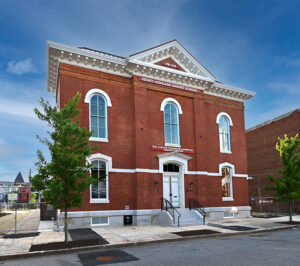
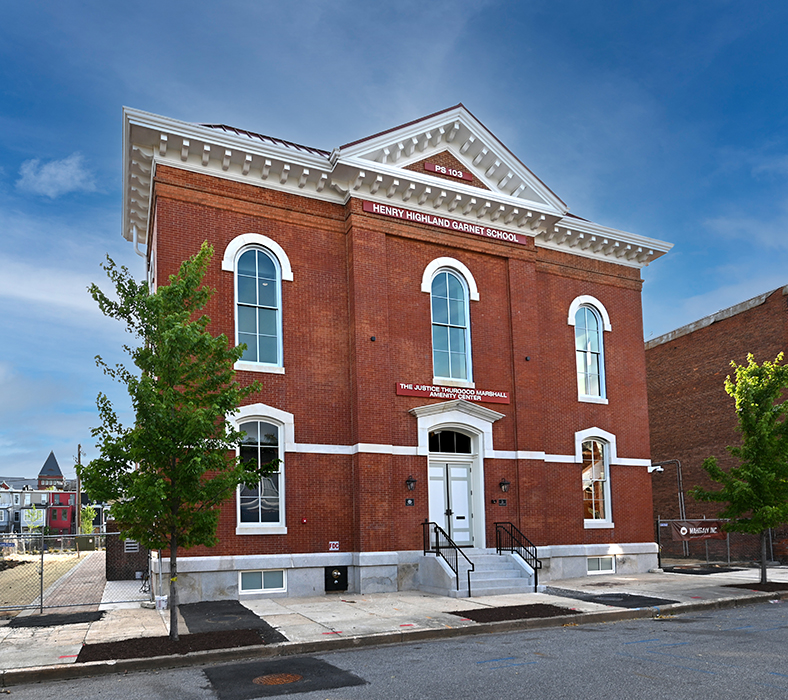
The Thurgood Marshall Historic Corridor Urban Design Workshop is an interdisciplinary student workshop and charrette series advancing community health, well-being, and inclusive growth through design. AIA Baltimore is leading this initiative in collaboration with Bmore NOMA and Beloved Community Services Corporation. This effort is focused on revitalizing the historic Division Street corridor, one of Baltimore’s most culturally and historically significant African American communities. Conducted in conjunction with Beloved Community Services Corporation’s redevelopment of Thurgood Marshall’s former elementary school into the Thurgood Marshall Amenity Center, the program honors the legacy of Justice Marshall and other civil rights leaders whose advocacy helped shape the neighborhood. By using design as a means of preservation and regeneration, the workshop strengthens community wellness and reconnects the area’s rich heritage with its vision for a vibrant, equitable future.
Application form is found here. Interested students can contact Urban Design Committee co-chair, Eric Johnson, for more information.